
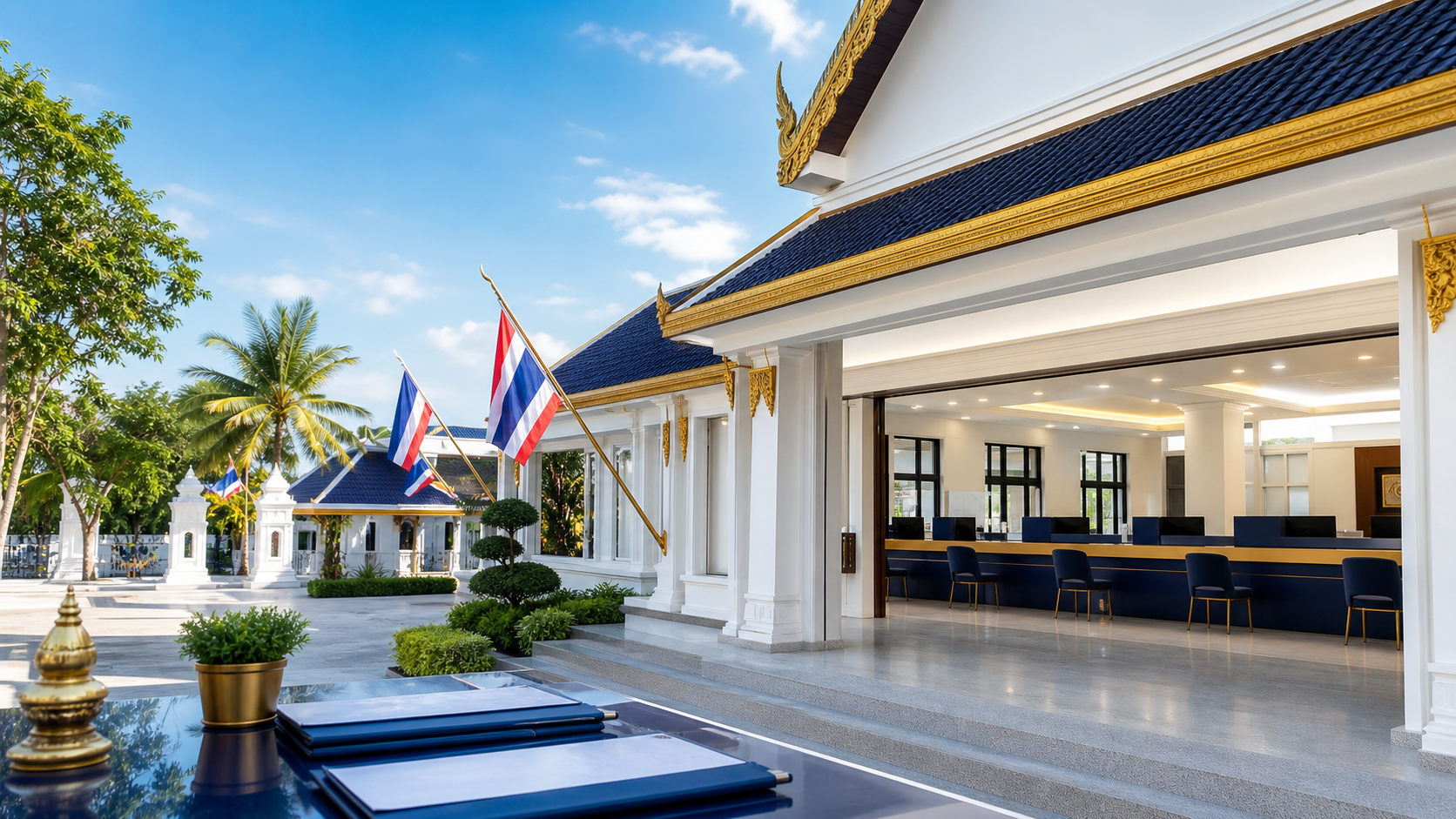
Thailand property-rights FAQ
10 FAQs About Sap-Ing-Sith in Thailand
Clear, practical answers for foreign buyers considering a registered property right in Thailand.
Important: Sap-Ing-Sith can be a useful legal structure for eligible property, but it is not foreign land ownership and it is not risk-free. The title, agreement, registration, and local process must be reviewed for the individual transaction.
Before you compare structures
Start with the property type and title. For a fuller side-by-side view, read our freehold vs leasehold vs Sap Ing Sith guide. For the registration process and eligibility detail, see our complete Sap Ing Sith guide for foreign buyers.

Sap-Ing-Sith questions answered
1. What is Sap-Ing-Sith?
Sap-Ing-Sith (ทรัพย์อิงสิทธิ) is a registered property right created by the Sap-Ing-Sith Act B.E. 2562 (2019). It lets the holder use and benefit from eligible immovable property without becoming owner of the underlying land.
2. Can a foreigner hold Sap-Ing-Sith?
Yes. A foreigner can be the holder of a Sap-Ing-Sith right. That does not make the foreigner the landowner; the holder has the registered right for its agreed term.
3. What property can be registered?
The right may be created over eligible Chanote-titled land, land with buildings, or a condominium unit. A lawyer should confirm the specific title, property status, and Land Office requirements.
4. How long can it last?
The maximum term is 30 years. Any later term requires a new arrangement and registration; it is not an automatic renewal.

5. Is it the same as a 30-year lease?
No. A lease is principally contractual. Sap-Ing-Sith is a separately registered right under its own Act. Its transfer, inheritance, mortgage, and use terms still need checking for the actual transaction.
6. Can the right be sold or transferred?
It can generally be transferred for the remaining registered term, subject to the law and Land Office registration. A buyer should verify the original registration and any restrictions before relying on an exit plan.
7. Can Sap-Ing-Sith be inherited?
It can generally pass to heirs for the remaining term. Estate and registration steps should be handled under Thai law with professional advice.
8. Can the holder rent the property to someone else?
The holder may have broad rights to possess, use, and benefit from the property, but rental or sub-use should be assessed against the registered agreement, applicable restrictions, and local rules.
9. Can it be collateral for a loan?
The registered right can potentially be mortgaged as security, subject to lender acceptance and proper registration. It should not be assumed that financing will be available.
10. Does it allow a foreigner to own Thai land?
No. The land remains owned by the registered landowner. Sap-Ing-Sith is a separate registered right, not a transfer of land ownership to a foreigner.
Need to discuss Sap-Ing-Sith for a Pattaya property?
RE/MAX By The Sea can help you compare suitable properties and prepare questions for your qualified Thai legal adviser before you proceed.
Talk to a Pattaya property advisorDisclaimer: General educational information only—not legal or tax advice. Confirm the title, agreement, Land Office requirements, and all transaction terms with a qualified Thai property lawyer.