
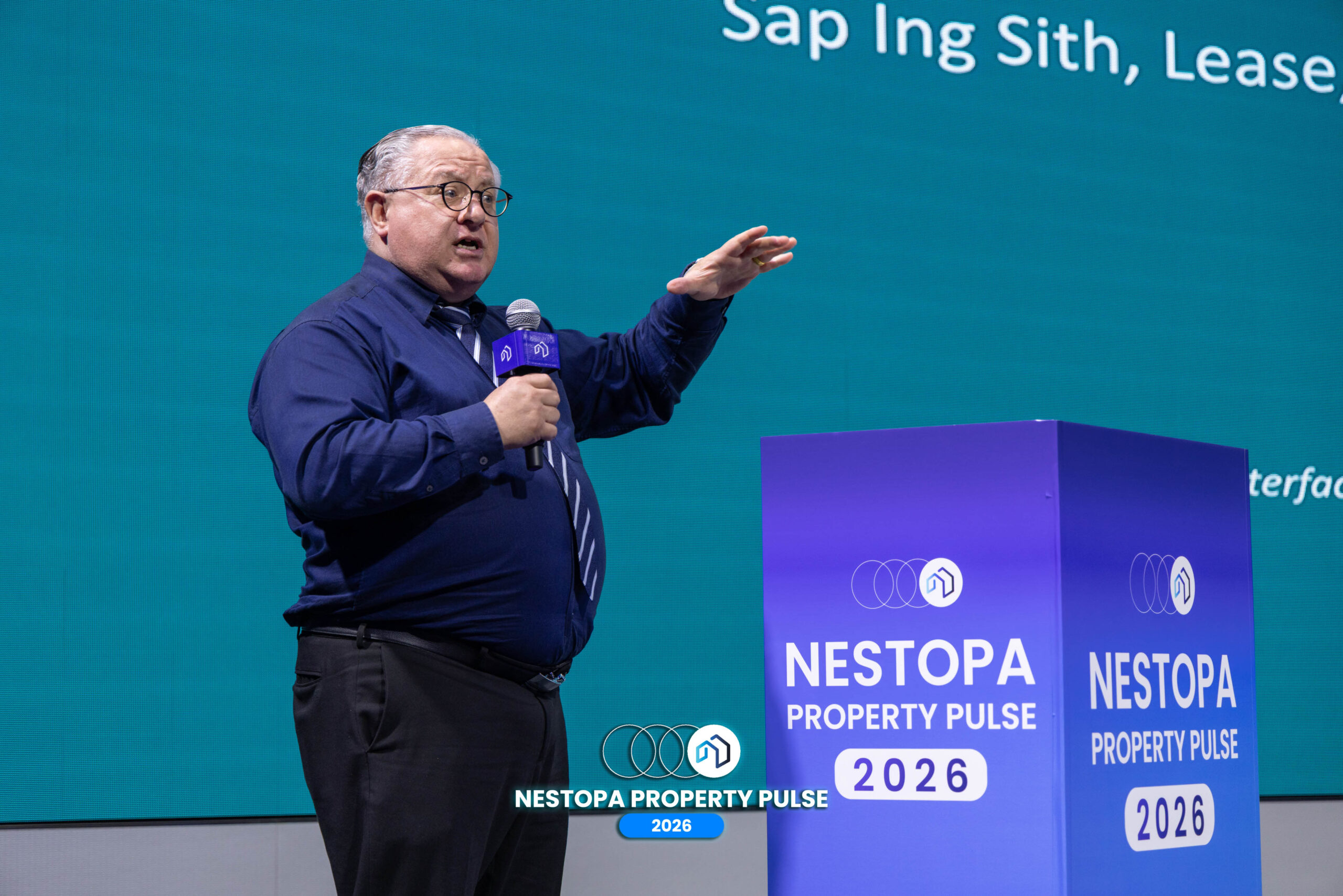
Nestopa Property Pulse · Pattaya · 15 July 2026
Sap Ing Sith and Safer Property Structures: Key Takeaways from Brian Ramsden’s Session
A practical summary of the legal-property discussion presented by Brian John Ramsden, General Manager of Foreign Affairs at Lawyers for Expats Thailand.
Read the full Sap Ing Sith guideAsk a local agentAt Nestopa Property Pulse Pattaya 2026, Brian John Ramsden presented “Selling Real Estate Legally & Safely in Thailand 2026.” His message was clear: foreign buyers deserve legal structures that are transparent, registered and suited to the property – not shortcuts that create risk later.
The session closely reflected a subject we have discussed before at RE/MAX By The Sea: Sap Ing Sith (ทรัพย์อิงสิทธิ), a registered real property right that can be relevant for certain Thailand property transactions. This article summarises the presentation; it is not legal advice. Buyers should obtain independent, qualified legal advice for their own circumstances.
What this session helps buyers clarify
- Which legal right is actually being offered and how it will be registered.
- Why an eligible title, clear documents and independent advice matter before any payment.
- When foreign-quota ownership, a lease, usufruct, superficies or Sap Ing Sith may need professional review.
Important context
This is an event summary, not legal advice. Every property, buyer objective and Land Office process needs individual review by a qualified Thai property lawyer.
Explore Sap Ing Sith Registered legal routesFocus on rights that are clear in the documents and registrable where applicable.No shortcut promisesFuture renewal or transfer terms should never be presented as automatic without legal basis.Buyer-first diligenceConfirm title, seller authority and encumbrances before reservation or signing.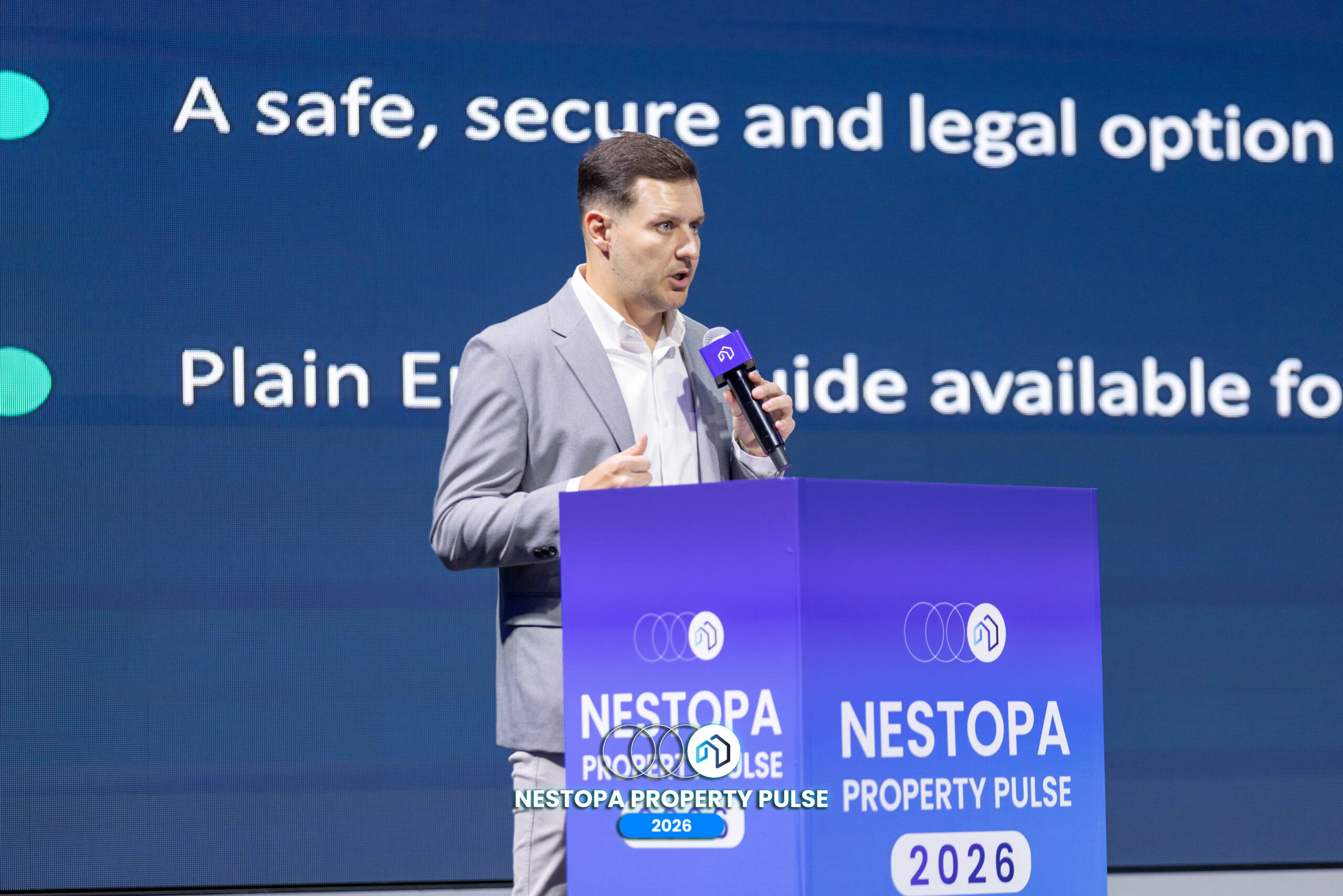
Start with the structure – not the shortcut
Ramsden stressed that a buyer’s protection begins with choosing a lawful route from the start. He cautioned against nominee-company arrangements for land and against marketing a “30 + 30 + 30” lease as a guaranteed 90-year interest. In the presentation, he described a land lease term as 30 years and explained that a future renewal needs a fresh agreement rather than being treated as automatic.
Practical takeaway: The documents, registration and legal reality matter most when a buyer later needs to sell, transfer, inherit or defend their interest. A clear explanation at the beginning protects both the client and the professional advising them.Different buyer situations need different tools
The presentation compared several registered instruments. There is no universal answer: a foreign-quota condominium freehold purchase may suit one client, while another buyer may need to explore a lease, usufruct, superficies or Sap Ing Sith with a qualified lawyer.
| Structure | Presentation takeaway | Possible context discussed |
|---|---|---|
| Foreign-quota condo freehold | Direct ownership route Where the buyer and unit meet the applicable conditions. | Eligible funds and a unit available in the foreign quota. |
| Registered lease | 30-year term A straightforward land-use arrangement. | Villa or land use. |
| Usufruct | A personal right to use and enjoy property for life; not designed to transfer to heirs. | Family land or a Thai spouse/family-title context. |
| Superficies | A route intended to separate ownership of a building from the land beneath it. | A house on Thai-owned land, where appropriate and registrable. |
| Sap Ing Sith | Registered real property right Under the Sap Ing Sith Act B.E. 2562 (2019). | Thai-quota condos, pre-owned property or an unsplit house-and-land scenario, subject to legal eligibility. |
Why Sap Ing Sith stood out
Sap Ing Sith was the centrepiece of Ramsden’s presentation. As described in the session, it is a registered right with a 30-year term that may be renewed by mutual agreement. The presentation highlighted its potential to be transferred and inherited, with the right recorded through the Land Office process rather than simply left in a private contract.
Ramsden identified three examples where Sap Ing Sith may be worth exploring with a lawyer: a Thai-quota condominium where a foreign freehold route is unavailable, a pre-owned villa or house, and a property where the house and land have not been separated. He also noted that a Thai-quota condo arrangement should respect the Condominium Act and is not the same as foreign-quota freehold ownership.
Our perspective: Sap Ing Sith can be an important conversation, not an automatic answer. Eligibility, title, project arrangements, Land Office practice, fees, contract drafting and a buyer’s goals all need professional review before anyone commits.Buyer-confidence checklist
- Ask which legal right is actually being offered and how it will be registered.
- Make sure the property title, seller authority and relevant encumbrances are professionally checked.
- Be wary of promises that go beyond what the agreement and Thai law can deliver.
- Understand whether the right can be transferred, inherited or renewed – and on what terms.
- Use bilingual, professionally drafted documentation and independent legal advice before payment or signing.
Knowledge supports better decisions
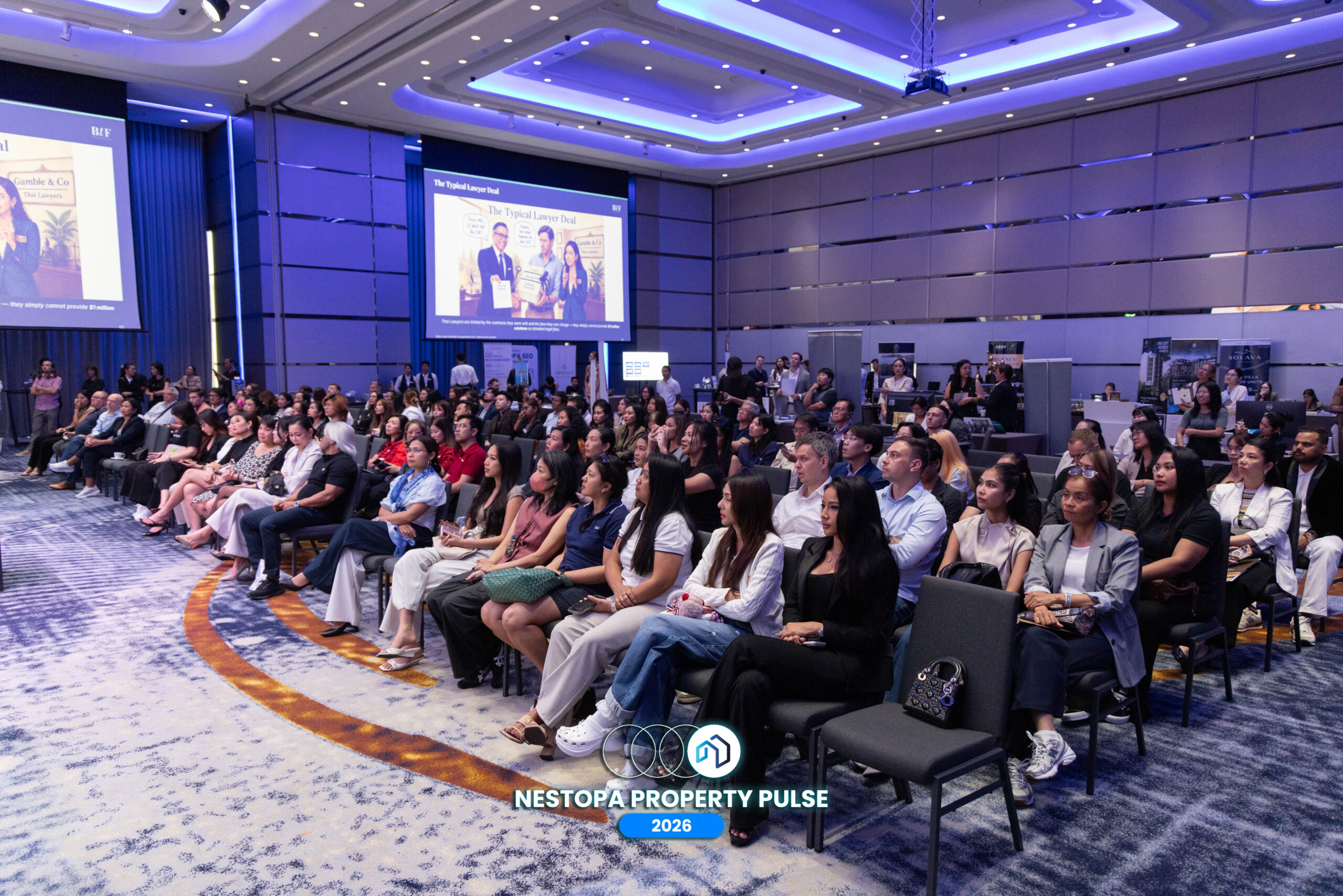
The main theme of the session was confidence through clarity. For buyers, that means taking time to understand the legal path behind a property. For agents, it means partnering with qualified legal professionals and presenting the facts honestly. We thank Brian Ramsden and Lawyers for Expats Thailand for contributing a practical, useful discussion to the Nestopa Property Pulse programme.
Source: “Selling Real Estate Legally & Safely in Thailand 2026: Sap Ing Sith, Lease, Usufruct, Superficies – and how to protect every client,” presented at Nestopa Property Pulse Pattaya on 15 July 2026. Summary prepared from slides 55-70 of the supplied event deck.
Considering a Pattaya property purchase?
Our team can help you explore property options and identify the legal questions to take to an independent Thai property lawyer.
Talk to RE/MAX By The Sea